Posted on January 27, 2014, by Goran Čandrlić | 6 minute read
David Linthicum explains for TechTarget how control does not mean security, and how myths that cloud computing are inherently less secure than traditional IT systems are false. "Clearly, there are myths that cloud computing is inherently less secure than traditional approaches. The paranoia is due largely to the fact that the approach itself feels insecure, with your data stored on servers and systems you don't own or control. However, control does not mean security."
Further along the line, he suggests focusing on the security strategies which are crucial both for those operating in the cloud, or using the traditional approach. "Untested systems are unsecured systems," he claims.
Linthicum also relies on the Alert Logic's Fall 2012 State of Cloud Security Report which proves that variations in threat activity are not as important as where the infrastructure is located. Both service providers and on-premise environments are about equally attacked. On-premise environments actually suffer more incidents than those of service provider environments.
Crowd Funding is expected to become an important factor for many new cloud based startups aiming for attention in 2014. By the end of 2014, crowd funding is estimated to add at least 270,000 jobs and inject more than $65 billion into the global economy (estimates from crowd funding platform Fundable).
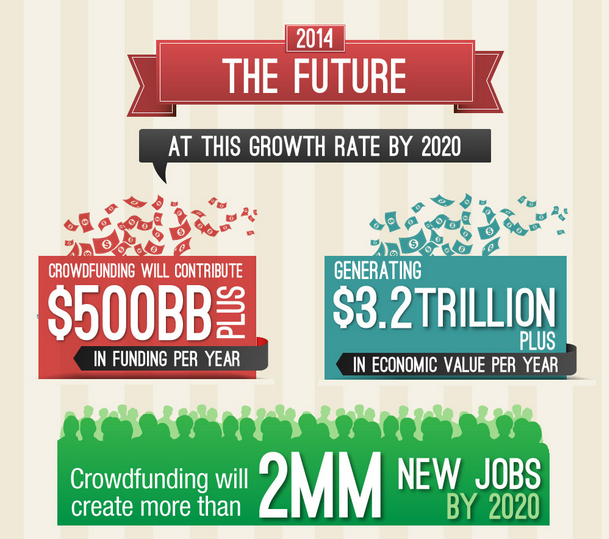
Image 1 - Crowd Funding by Fundable (Image source)
The infographic published by Fundable and impact illustrates this point and their research predicts that by 2020, at this growth rate, the contribution will skyrocket to 500 billion dollars plus in funding per year and generate 3.2 trillion dollars plus in economic value per year.
You can find the full infographic here.
IBM intends to open 15 new centers in Washington, Hong Kong, London, Toronto, Dallas, and a few cities in Japan, India, China and Mexico, which means that Big Blue will soon have churning out SoftLayer cloud services, including its web hosting tech, across the globe. IBM confirmed on investing $1.2 billion in the strategy. The investment will double the subsidiary's storage capacity, according to the official statement. "In a related announcement last week, IBM said it would spend $1bn creating a new division for Watson, its supercomputer," reports BBC UK. "Watson, which aims to mimic how people think, using natural language capabilities and analytics, beat its human rivals in the US TV quiz show Jeopardy in 2011." This all a part of their investment strategy that relies on the fact that the cloud services market could be worth $200bn by 2020.
At the World Economic Forum in Davos, Google's executive chairman Eric Schmidt said that Google was attempting to strengthen its encryption so the world's governments wouldn't be able to penetrate it and obtain private data, according to The Verge. "Those efforts, Schmidt said, would create particular problems for governments like China's, which he thought responsible for 80 to 85 percent of the world's industrial espionage. The Google chairman also said he saw the eventual relaxation of Chinese censorship over time as the number of people using social media in the country continued to grow." Schmidt confirmed that Google is intent on using encryption technologies to penetrate countries with strict censorship rules, such as China and North Korea: “It is possible, within the next decade, using encryption, we would be able to open up countries that have strict censorship laws … giving people a voice.”
Marcus Wohlsen writes for The Wired magazine: "Netflix CEO Reed Hastings could barely contain himself. On Wednesday, after reporting another stellar financial quarter for the company — 2.3 million new subscribers, nearly $50 million in profits — the man who destroyed the Blockbuster empire started taunting his latest nemesis: HBO." The swagger has substance behind it, Wohlsen claims. "Netflix charges 8 bucks a month to watch anything, anytime, anywhere, painlessly." On the other hand, the core business of HBO or Showtime or AMC is limited by how much programming they can fit into a 168-hour week, as further reported.
Read the full article by Wohlsen here.
Also, learn about video streaming technology, and about what put the fun back to streaming videos online.